Creative Diversity AuditCreative Diversity AuditCreative Diversity AuditCreative Diversity AuditCreative Diversity AuditCreative Diversity AuditCreative Diversity AuditCreative Diversity AuditCreative Diversity AuditCreative Diversity AuditCreative Diversity AuditCreative Diversity AuditCreative Diversity AuditCreative Diversity AuditCreative Diversity AuditCreative Diversity AuditCreative Diversity AuditCreative Diversity AuditCreative Diversity AuditCreative Diversity Audit
Growthhaus
May 26, 2026DTCPersonal CarePaid SocialMeta

Naturium Creative Diversity Audit

Naturium's paid portfolio is almost entirely bottom-of-funnel—91% of ads are built to close, not to find new people. Three dimensions score Critical, and the brand is effectively invisible to anyone who hasn't already heard of it.
0
Critical flags
3
Watch flags
58
Active ads
High
Confidence

Your Creative Diversity Score

A single number from 0–100 that captures how structurally diverse your portfolio is across 8 dimensions

Creative Diversity Score
0
Concentrated
Scored 0–100. 100 = maximum diversity
Excellent80100
Healthy6579.99
Moderate5064.99
Concentrated3549.99You are here
Critical034.99

Focus Areas

Click any to expand
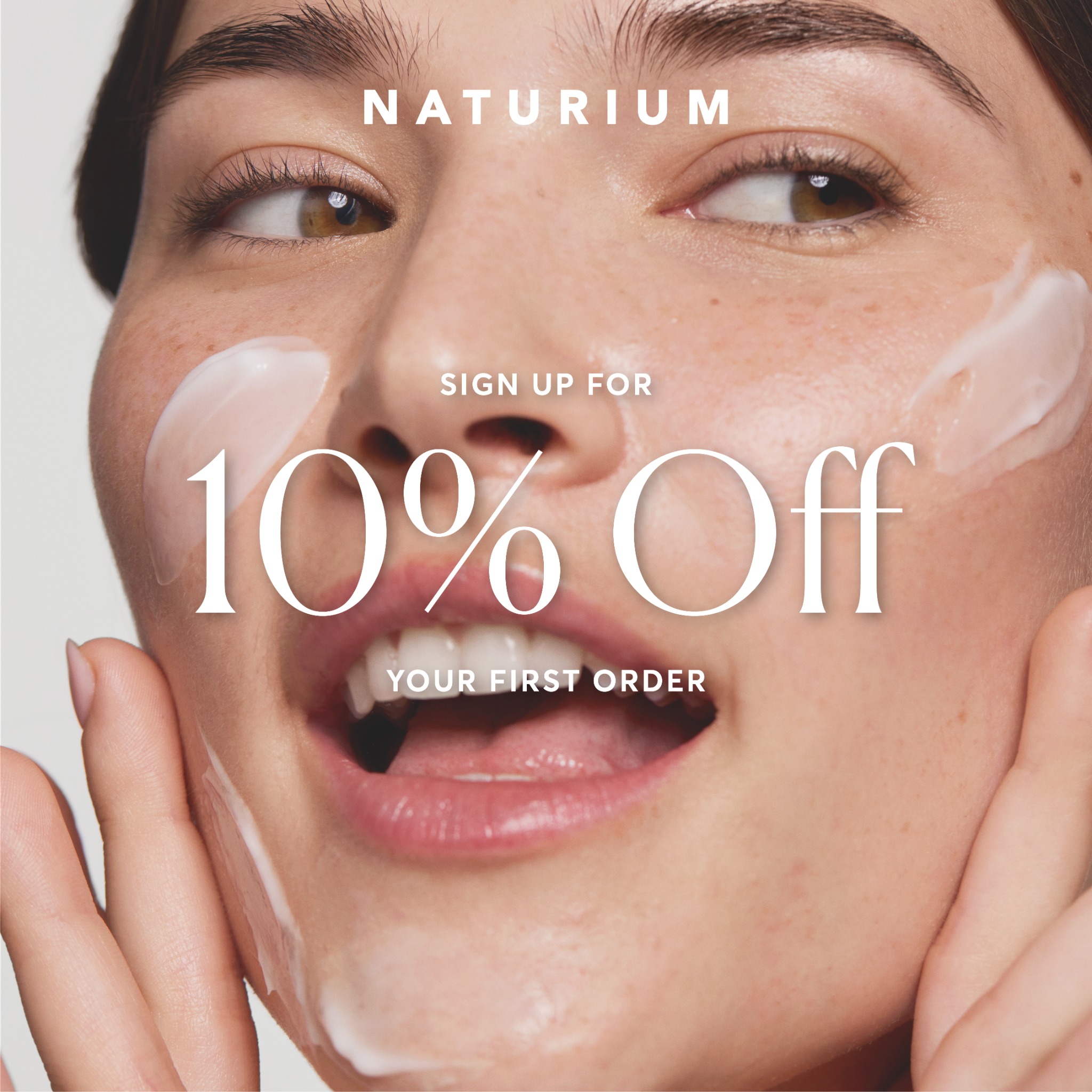
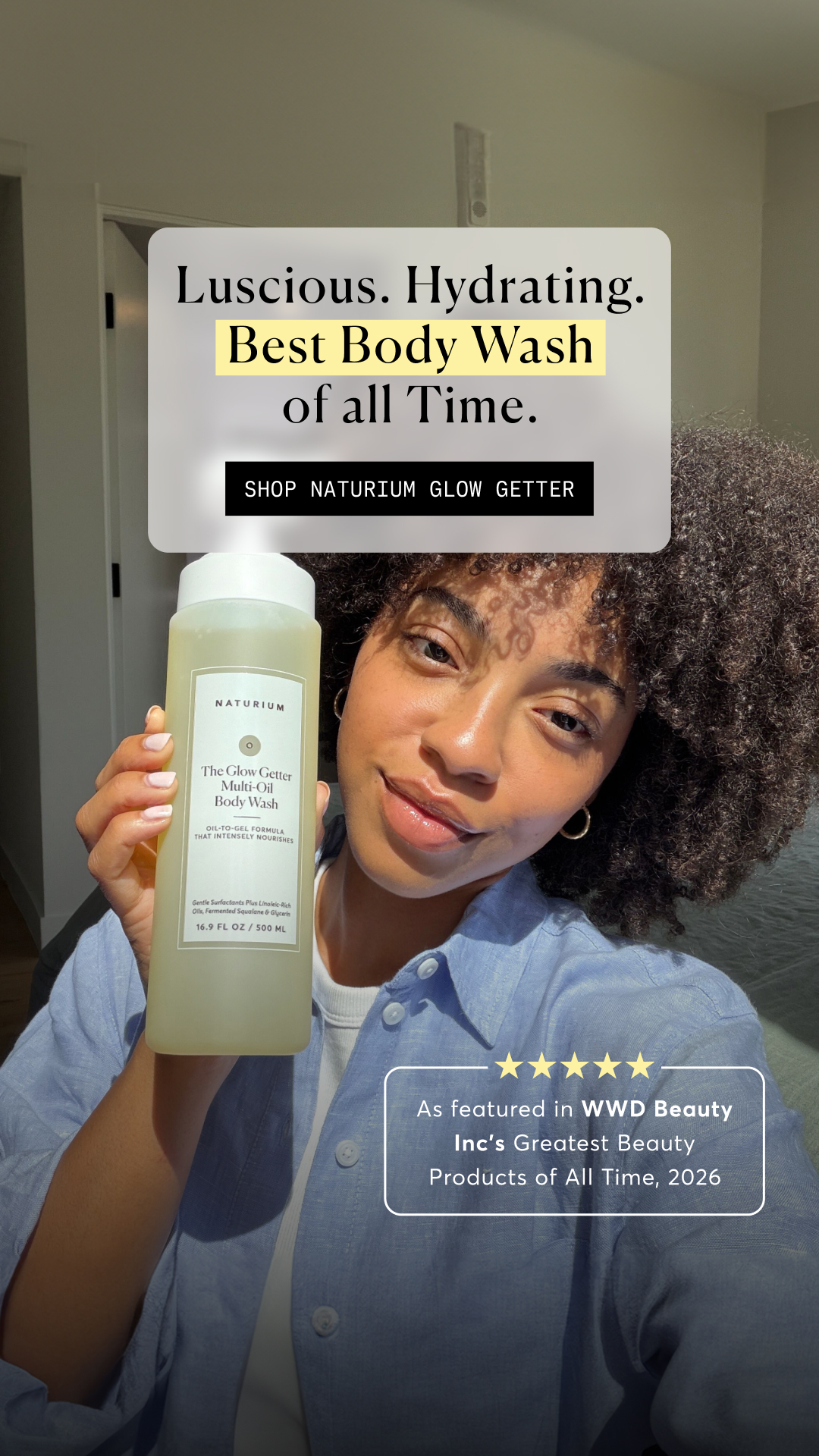
Persona signal is Critical at 39.1, and the distribution explains why: 60% of ads (35 of 58) are anonymous product-focus creative with no identifiable person, lifestyle context, or demographic signal. Another 34% (20 ads) use broad demographic framing that doesn't differentiate between audience segments. That leaves just 3 ads with any specific lifestyle or aspirational persona signal. This matters for algorithmic targeting in a direct way. When creative contains no human signal—no face, no lifestyle context, no identity cue—the algorithm has less information to use when deciding who to show it to. It defaults to optimizing for people who've already shown purchase intent, which reinforces the bottom-of-funnel concentration rather than breaking out of it. Persona-rich creative gives the algorithm a different type of signal to match against. The audience Naturium isn't reaching is anyone who would respond to seeing themselves in the creative. A skincare buyer who identifies with a specific lifestyle, age group, skin type or aesthetic isn't being spoken to directly. That's a large portion of the addressable market for a personal care brand, and it's effectively invisible to Naturium's current paid portfolio.
?
Talent distribution
Anonymous Product Focus (60%)
Demographic Broad (34%)
Aspirational Figure (3%)
Lifestyle Specific (2%)
Example ads from this portfolio
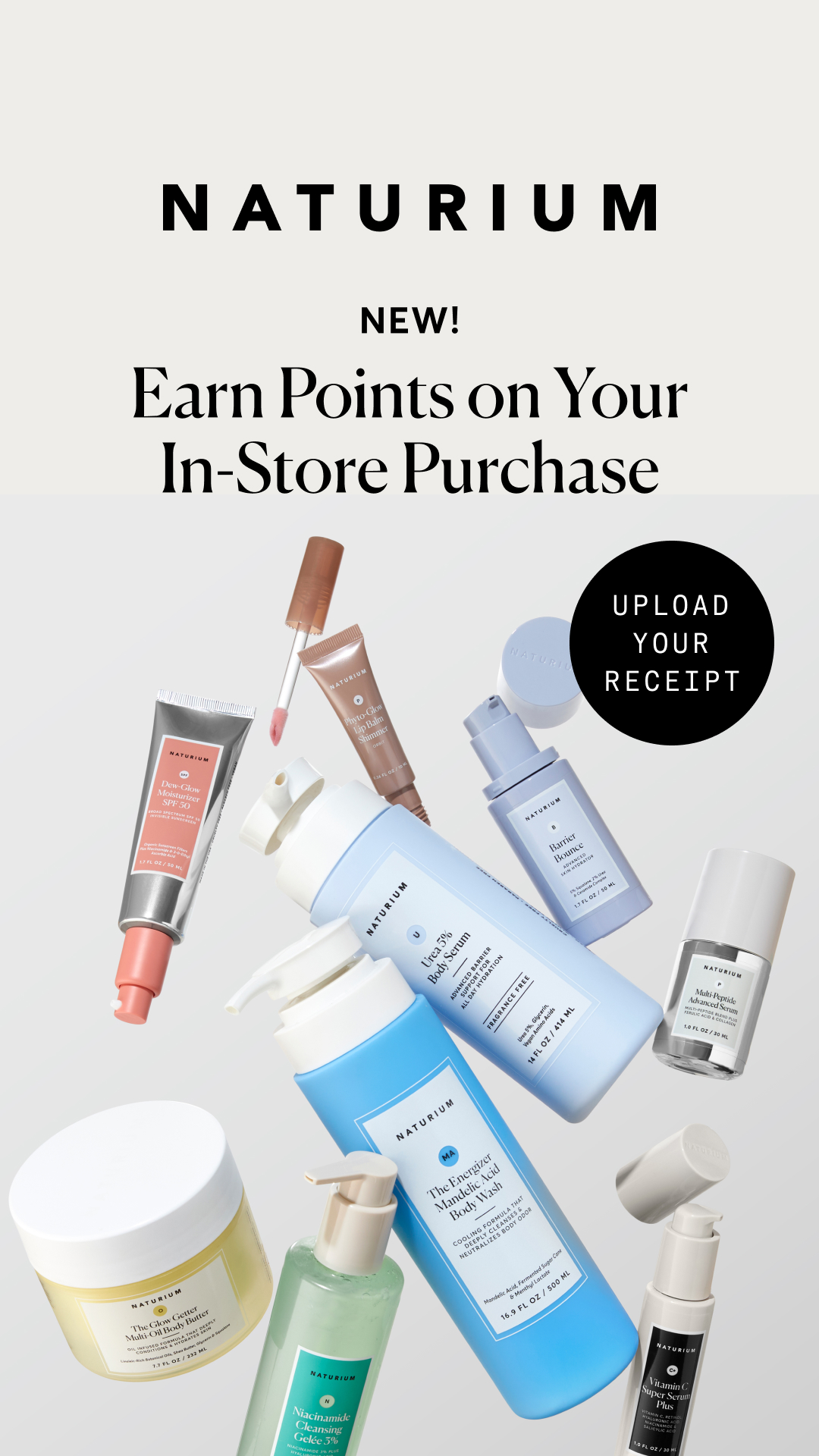
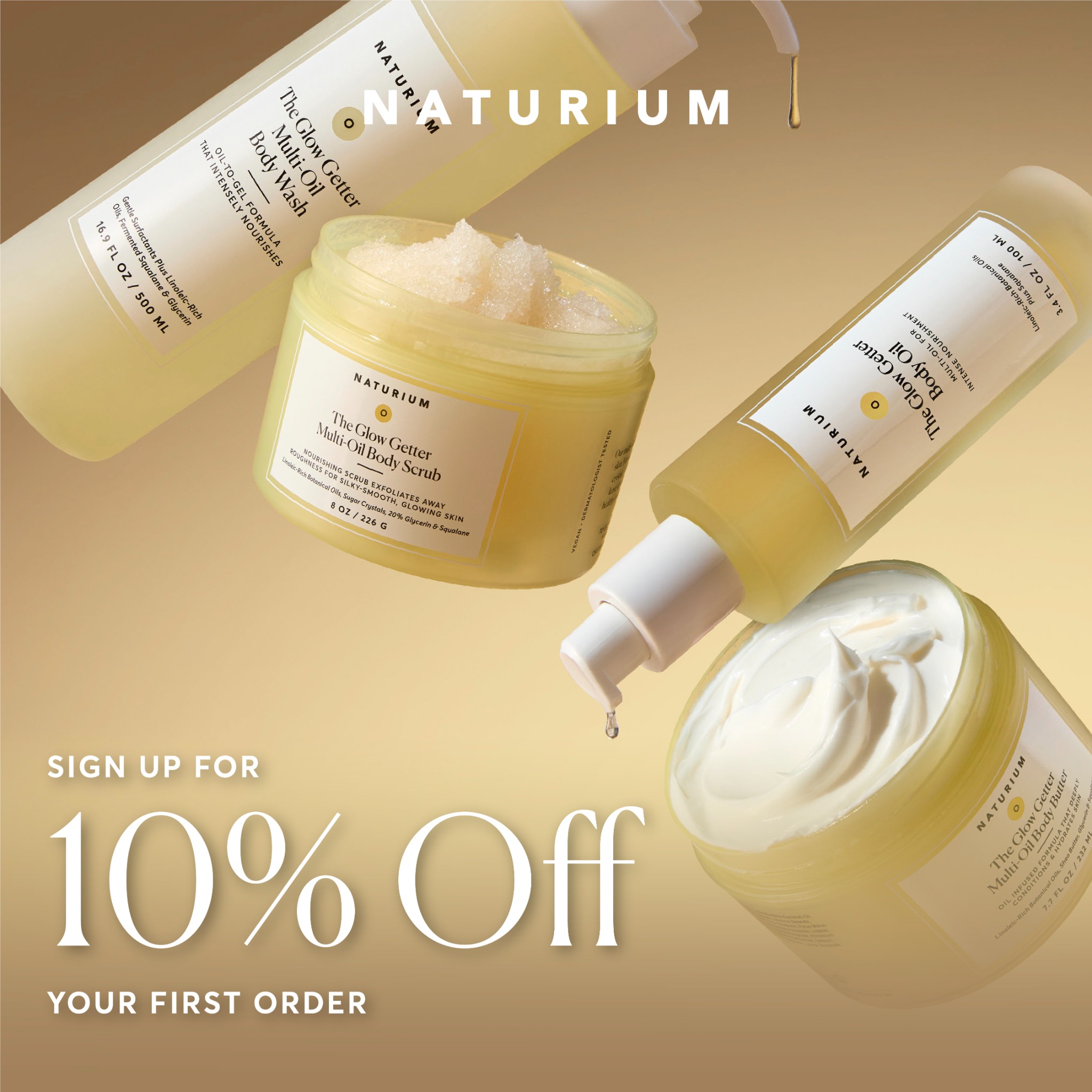
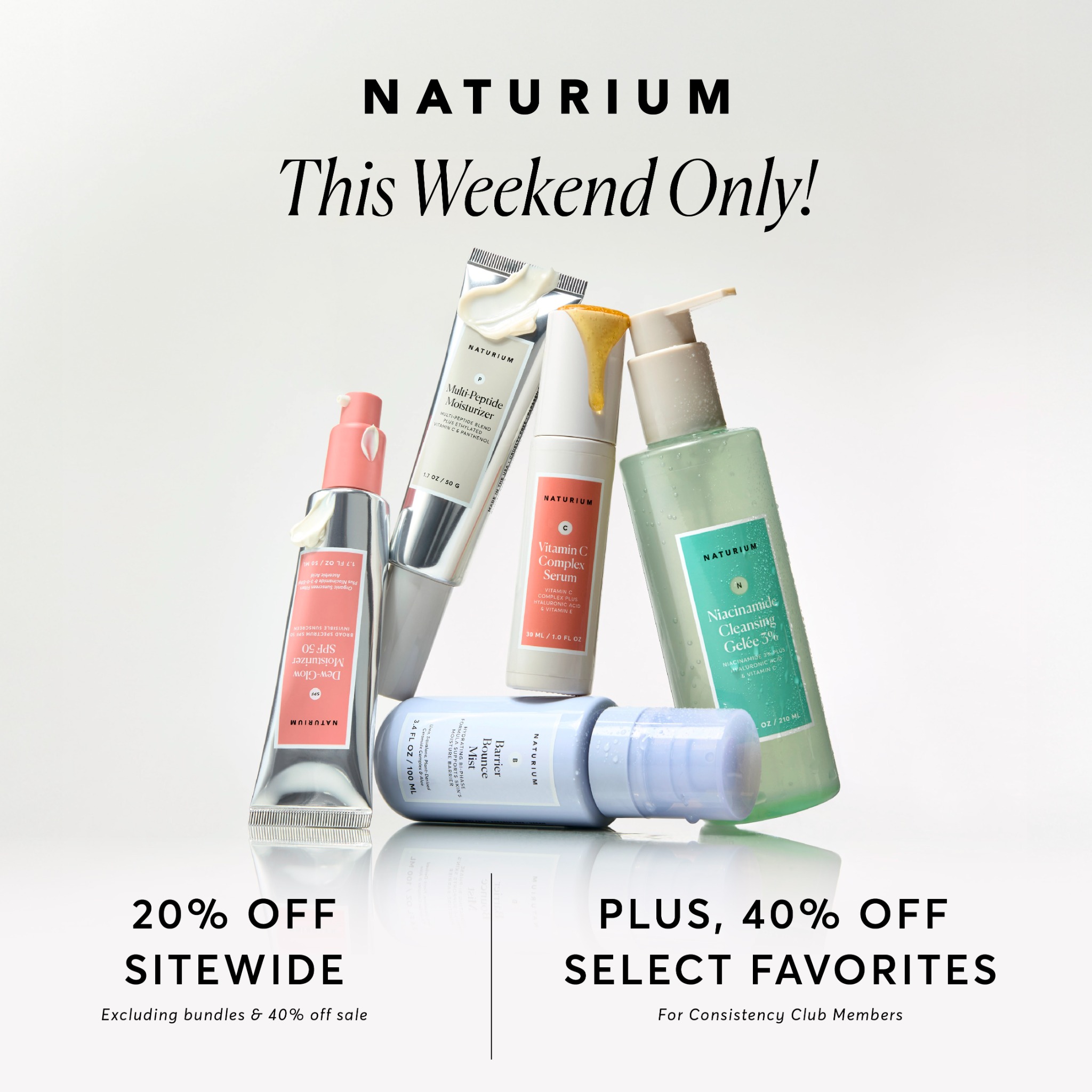
Ad example for persona_signal
Talent:Demographic Broad
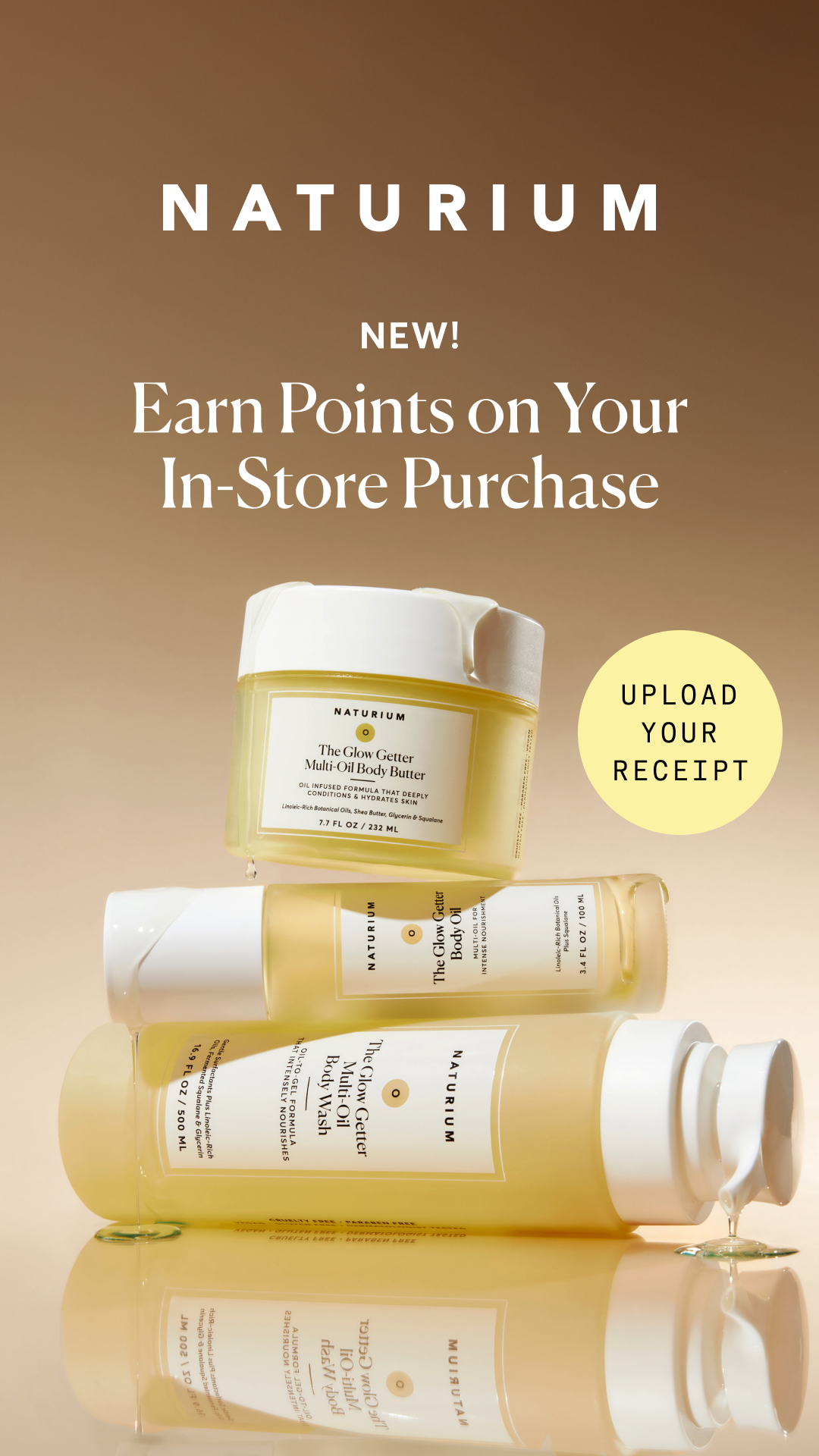
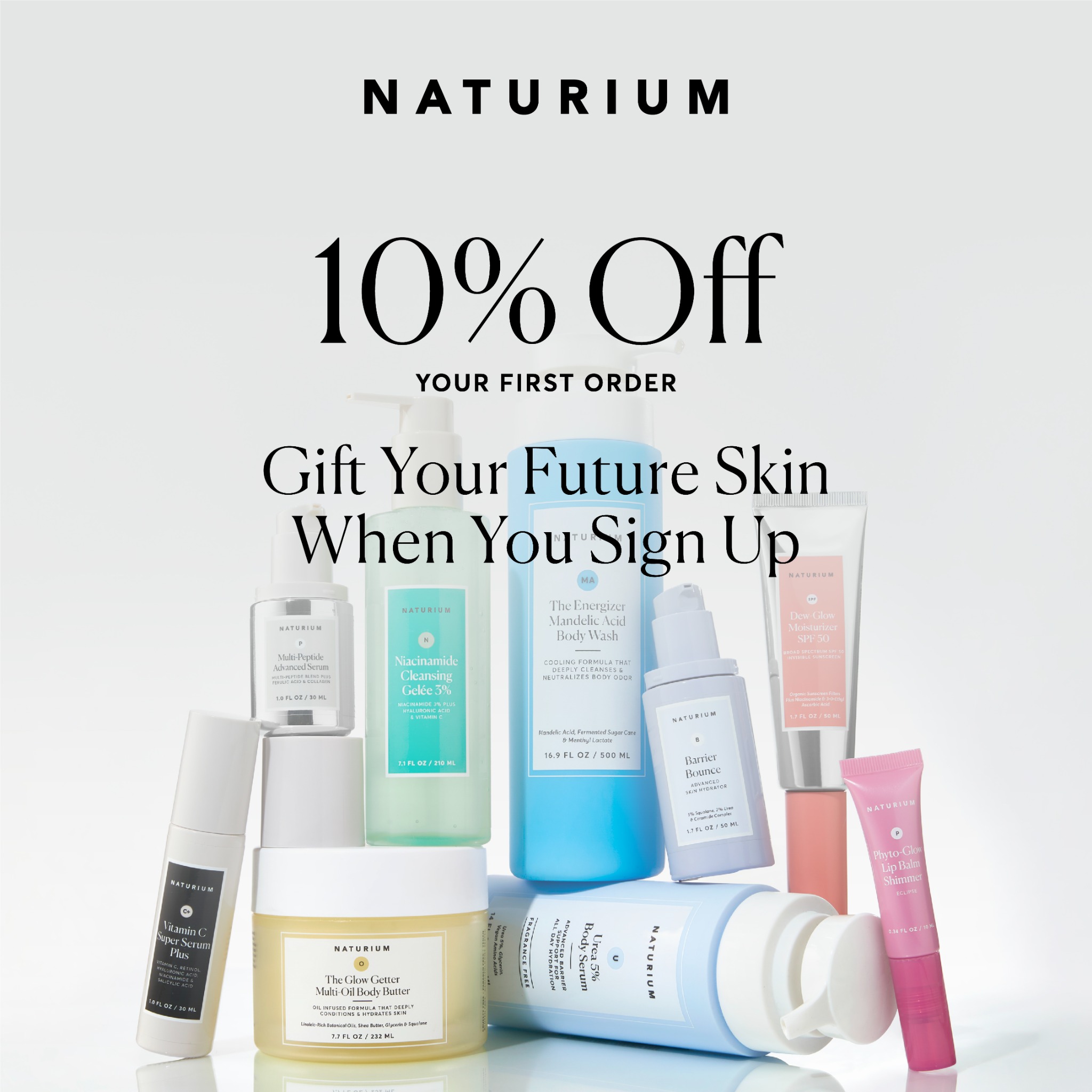
Ad example for persona_signal
Talent:Demographic Broad
Ad example for persona_signal
Talent:Demographic Broad
Problem-solution dominates Naturium's concept angle distribution at 60% of all active ads (35 of 58). Results-oriented creative accounts for another 21% (12 ads), and aspiration rounds out the portfolio at 19% (11 ads). On the surface that looks like three angles in play—but problem-solution and results are functionally adjacent. Both assume the viewer already understands they have a skin concern and are evaluating solutions. Together they represent 81% of the portfolio. What's missing is any creative that doesn't start from a problem frame. Aspiration exists at the margins but isn't being systematically developed. There's no curiosity-led angle, no education-first angle, no cultural or identity-based angle. That matters because people who don't yet think of themselves as having a 'skin problem' won't self-select into problem-solution creative—they'll scroll past it. Naturium is structurally unable to reach that audience with its current concept mix. The Single Concept Dominance flag is warranted here. A 60% concentration in one angle means the algorithm is repeatedly serving the same creative logic to the same receptive audience. Diversifying concept angle is one of the fastest ways to open up new audience pools without changing targeting.
?
Messaging angle usage
Problem Solution
35%
Results
12%
Aspiration
11%
Social Proof
Education
Comparison
Urgency
Entertainment
How To
Values
Example ads from this portfolio
Ad example for concept_angle
Angle:Problem Solution
Ad example for concept_angle
Angle:Results
Ad example for concept_angle
Angle:Aspiration
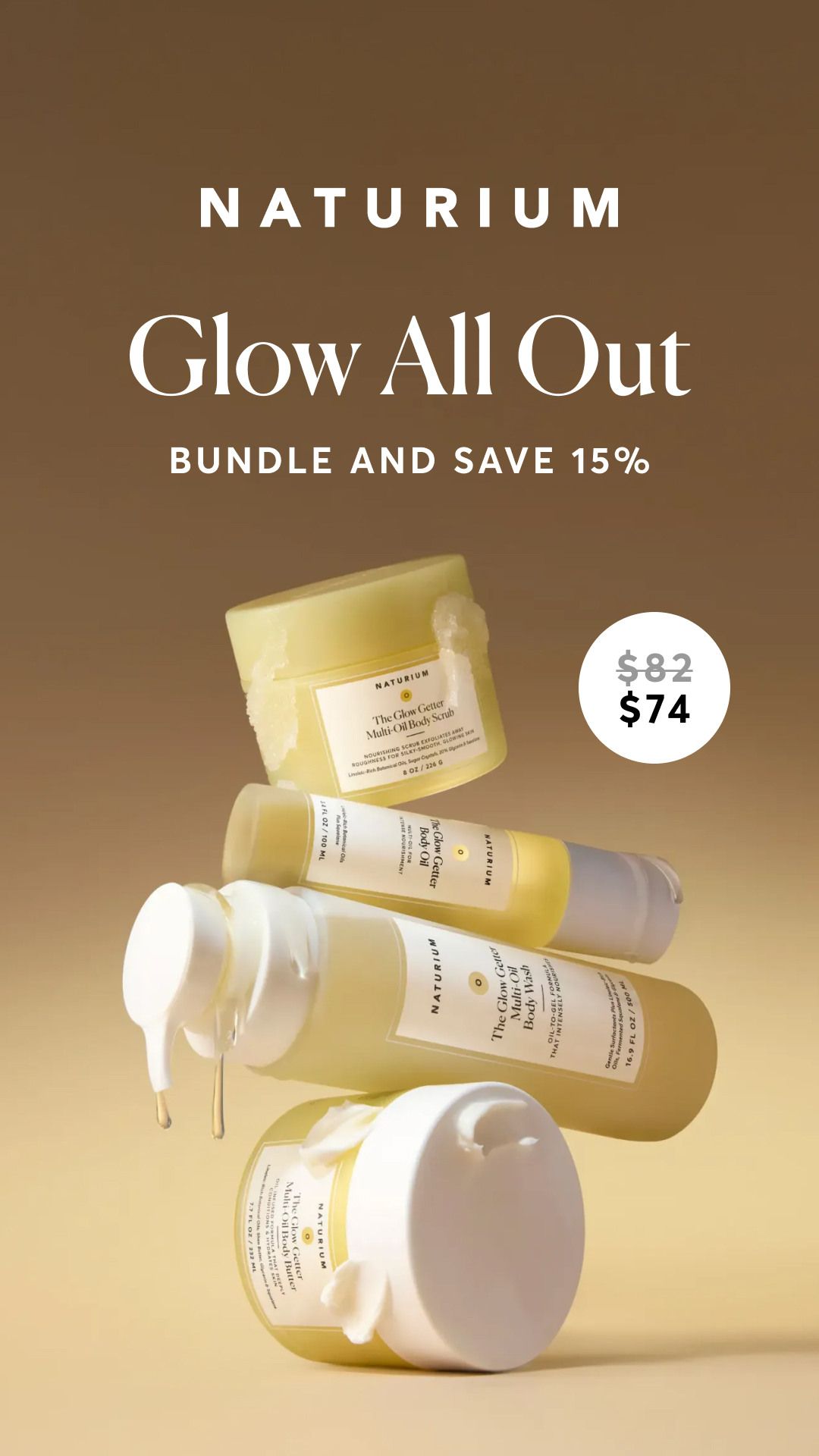
Naturium's format split is 53% static (31 ads) and 47% short-form video (27 ads). That's closer to balanced than most portfolios at this size, which is why the CDI of 42.9 lands at Underdiversified rather than Critical. But the gap is still meaningful—static and short-form video are the only two formats in the entire portfolio. There are no long-form video ads, no carousel formats, no interactive or collection formats. Each format type creates a different consumption experience and reaches people in different scroll states. A viewer who skips a 15-second video might stop on a static image, and vice versa. The current binary doesn't give the algorithm much to work with when optimizing for new audience segments. The format gap compounds the funnel problem. Short-form video is well-suited to awareness and consideration creative, but 91% of Naturium's portfolio is bottom-of-funnel regardless of format. Adding format variety without also shifting funnel intent won't unlock new audiences—both need to move together.
?
Format split
53%
47%
Static (53%)
Short Form Video (47%)
Missing:CarouselMotion GraphicStories Native
Example ads from this portfolio
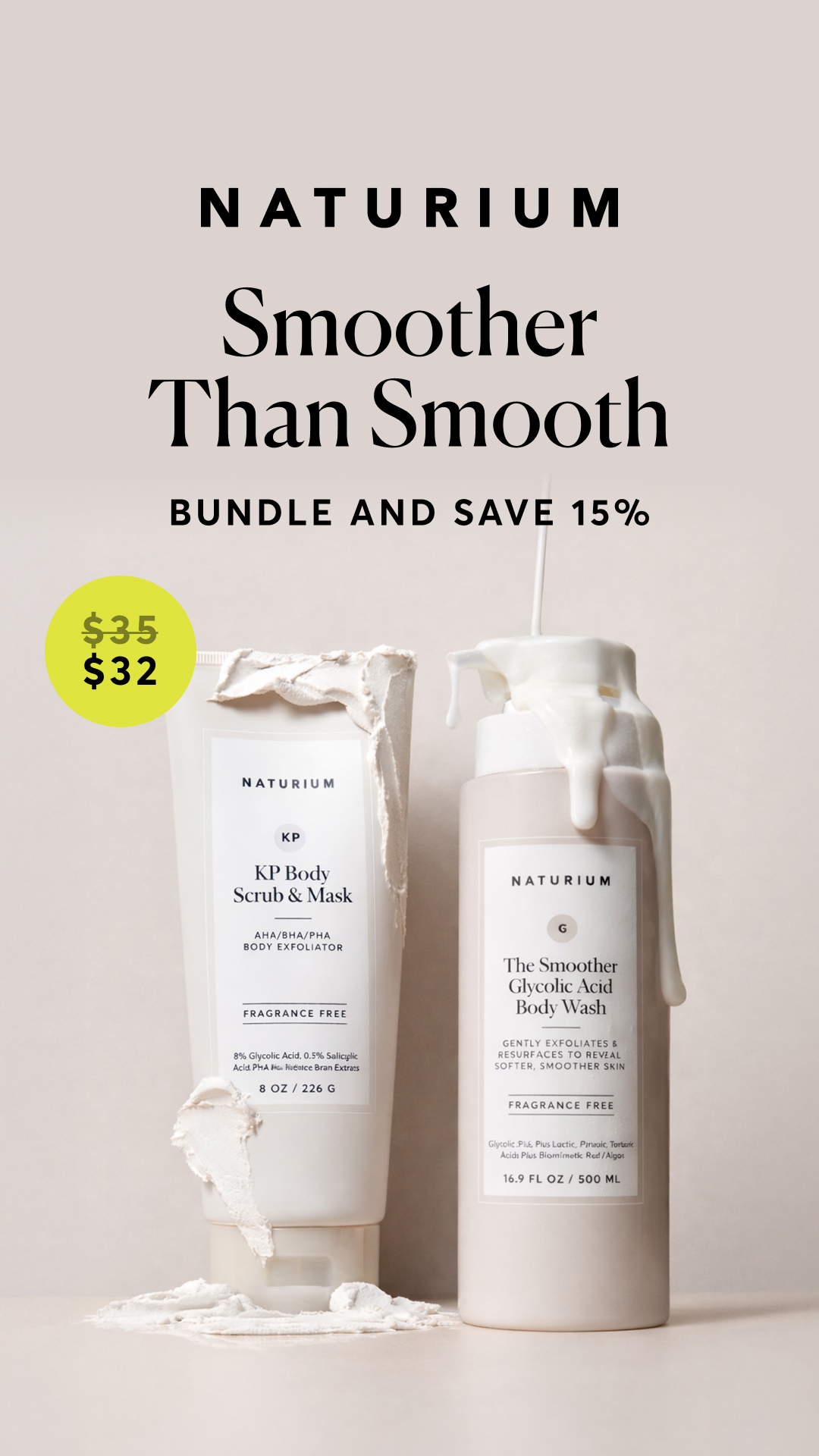
Ad example for format
Format:Static
Format:Short Form Video
Ad example for format
Format:Static
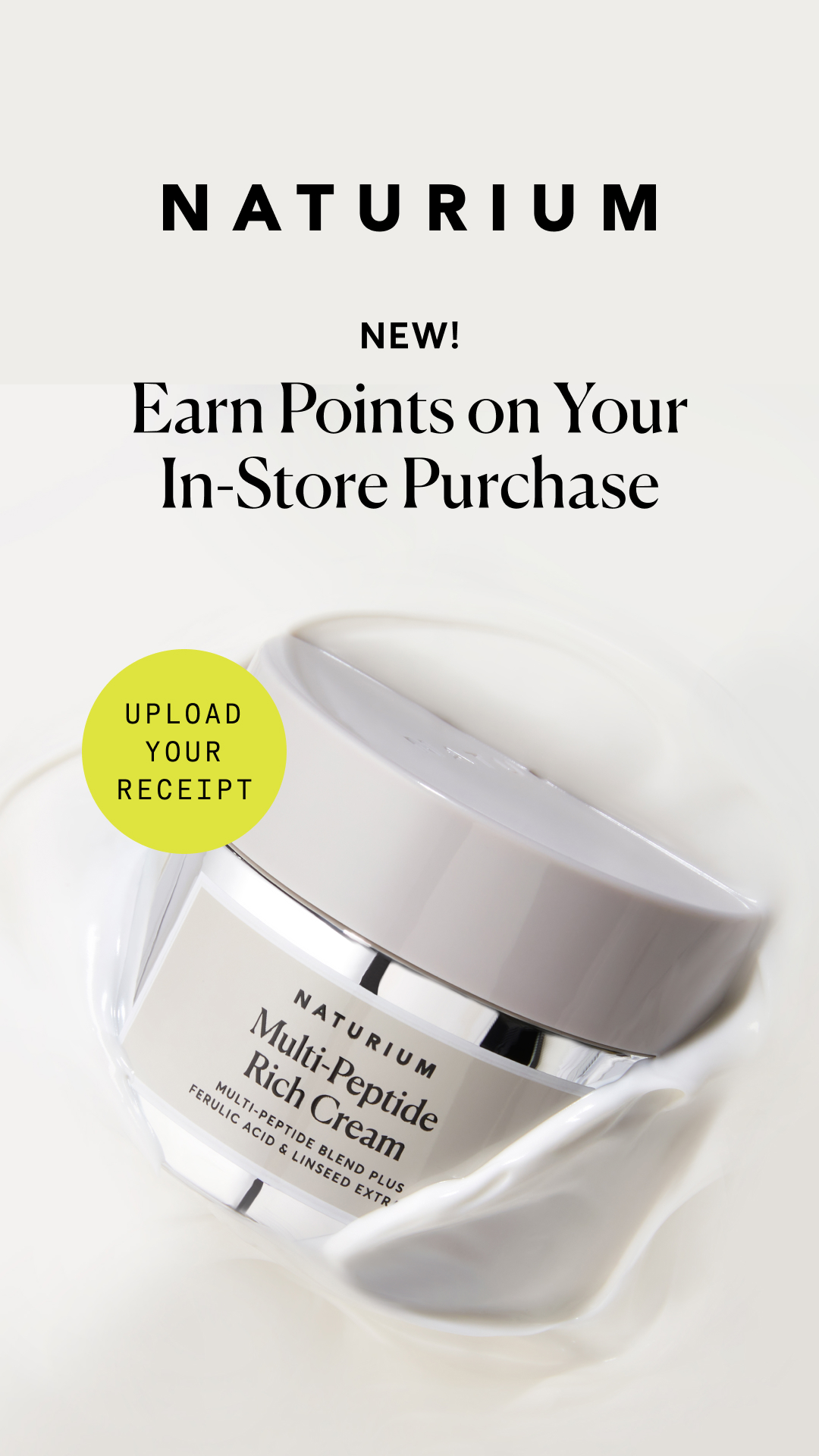
This is the most critical finding in the audit. Of 58 active ads, 53 are inferred as bottom-of-funnel, 3 as retention-focused, and just 1 as top-of-funnel. That's a 91% BOF concentration. Funnel stage is inferred rather than observed in this audit—confidence is reduced relative to a full-track analysis—but the signal is strong enough that the CDI of 21.2 (Critical) should be taken at face value. A portfolio this bottom-heavy is optimized to close, not to grow. It works efficiently against a warm audience: people who've visited the site, engaged with the brand, or been retargeted. But it does almost nothing to introduce Naturium to people who've never encountered it. When that warm pool exhausts itself—through audience fatigue, privacy-driven signal loss, or competitive pressure—there's no awareness layer feeding it. The practical consequence is that Naturium's paid media is structurally dependent on organic discovery, influencer reach, or other channels to generate the awareness that its ads then convert. That's not a sustainable paid strategy. Building even 15-20% TOF creative into the portfolio would give the algorithm something to use for prospecting and reduce that dependency.
?
Funnel balance
BOF93%
Retention5%
TOF2%
Example ads from this portfolio
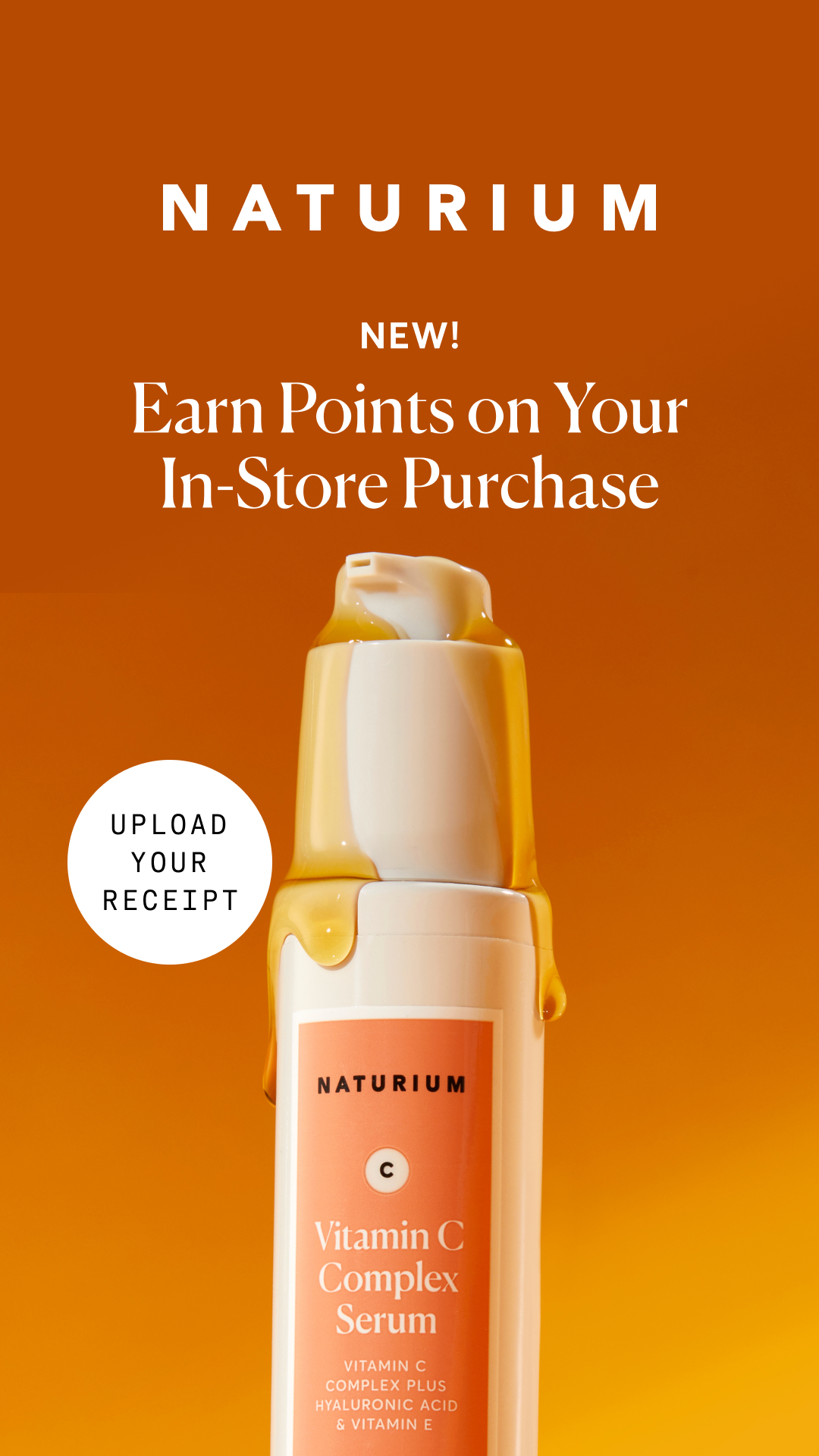
Ad example for funnel_stage
Stage:Bof
Ad example for funnel_stage
Stage:Retention
Ad example for funnel_stage
Stage:Funnel Ambiguous
Social proof is Naturium's strongest dimension by a significant margin—a CDI of 98.7 means the portfolio is using nearly every available type of proof in meaningful proportions. Data-backed claims, user and customer reviews, aggregate ratings, press and media mentions, and expert endorsements all appear in the active portfolio. That's genuine variety, not cosmetic. This is worth protecting. Social proof diversity is one of the harder dimensions to build because it requires actual assets—real reviews, real press, real credentials. Naturium has done that work. The strategic question is whether those assets are being deployed at the right funnel stage. Right now, most of that proof is sitting inside bottom-of-funnel creative. Redistributing some of it into awareness-stage formats could make the TOF expansion more credible and effective.
?
Social proof types
Aggregate
3
Data Backed
3
User / Customer
2
Press Media
2
Expert
2
Example ads from this portfolio
Ad example for social_proof
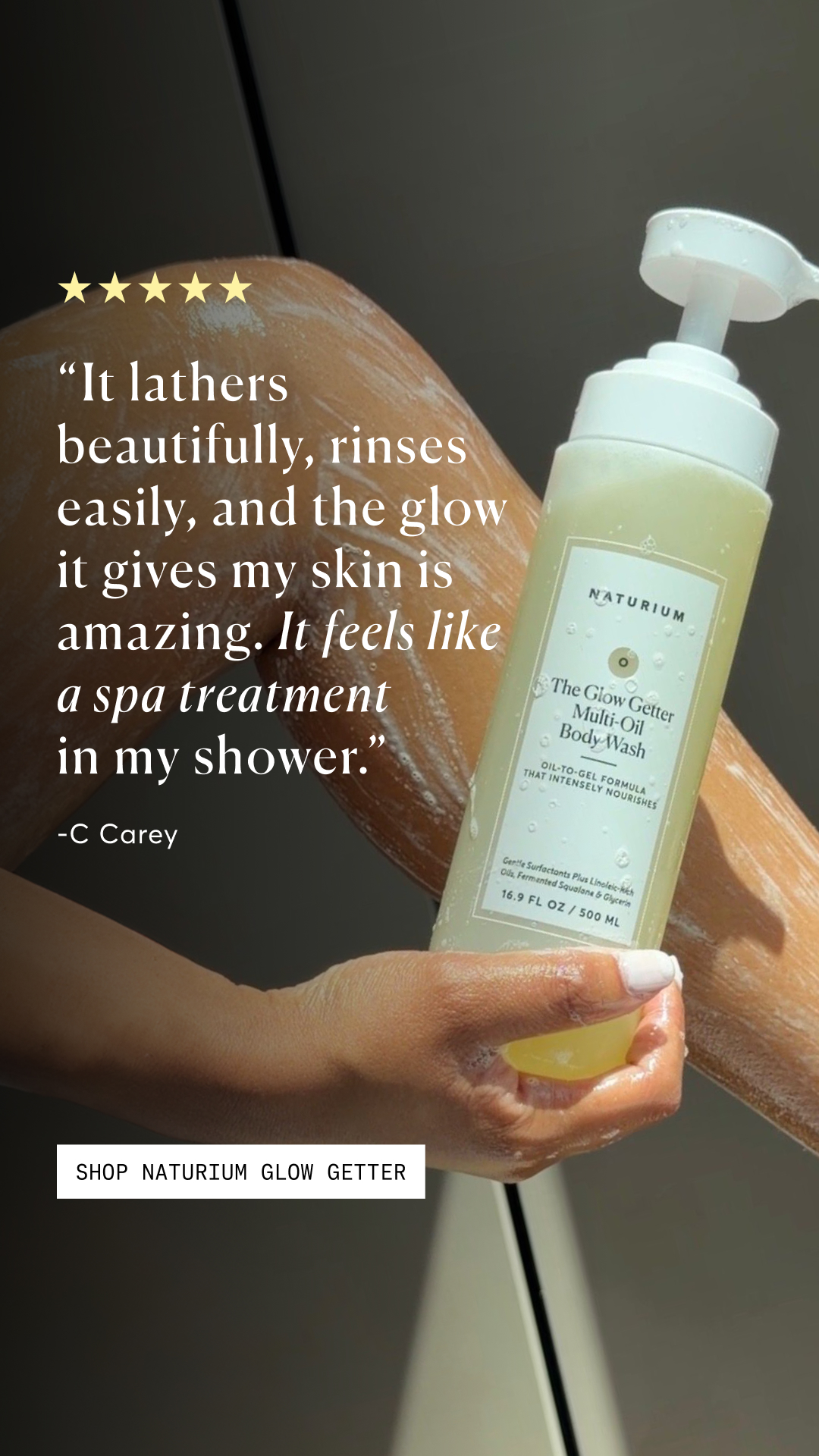
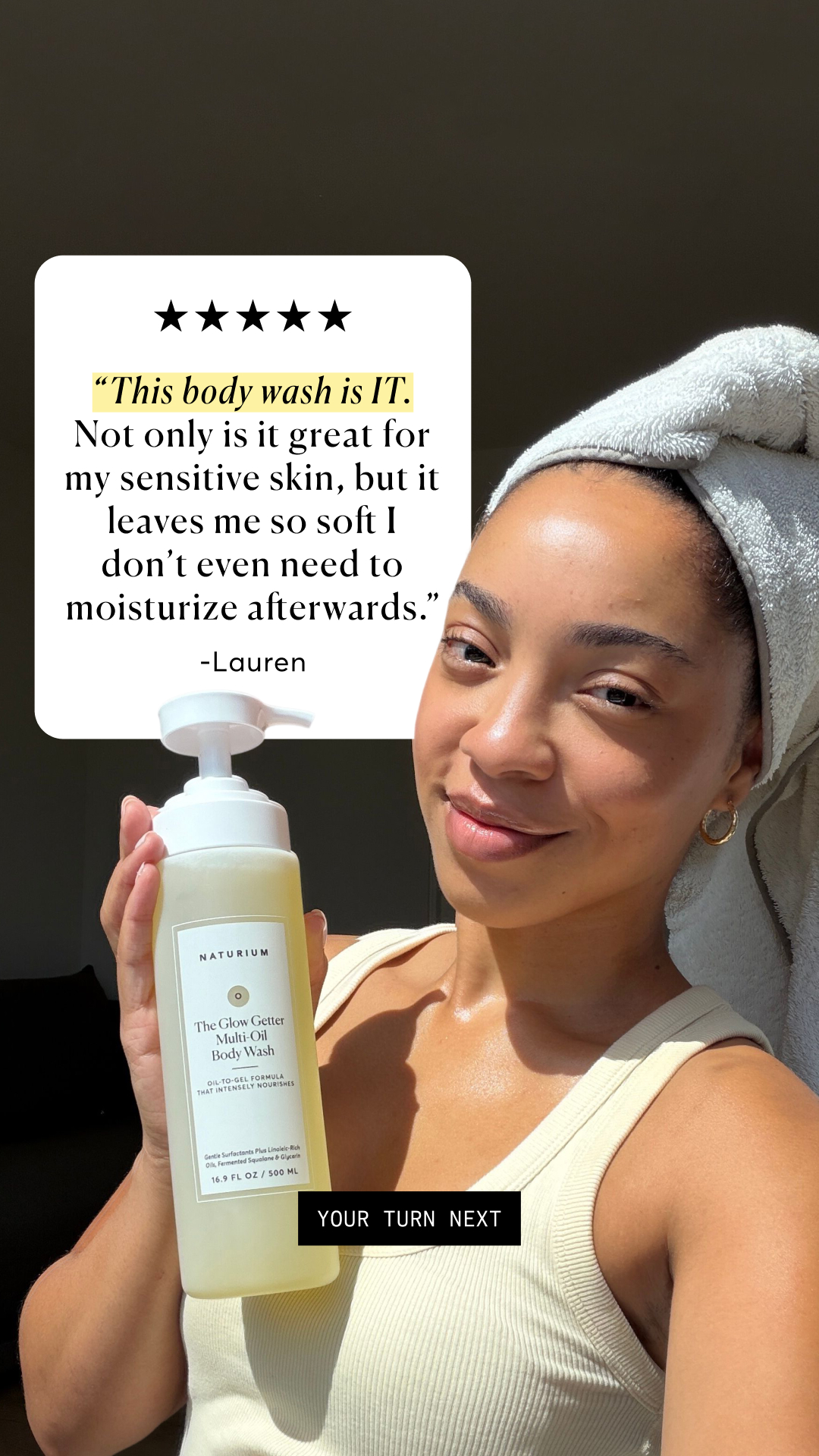
Proof:User Customer
Ad example for social_proof
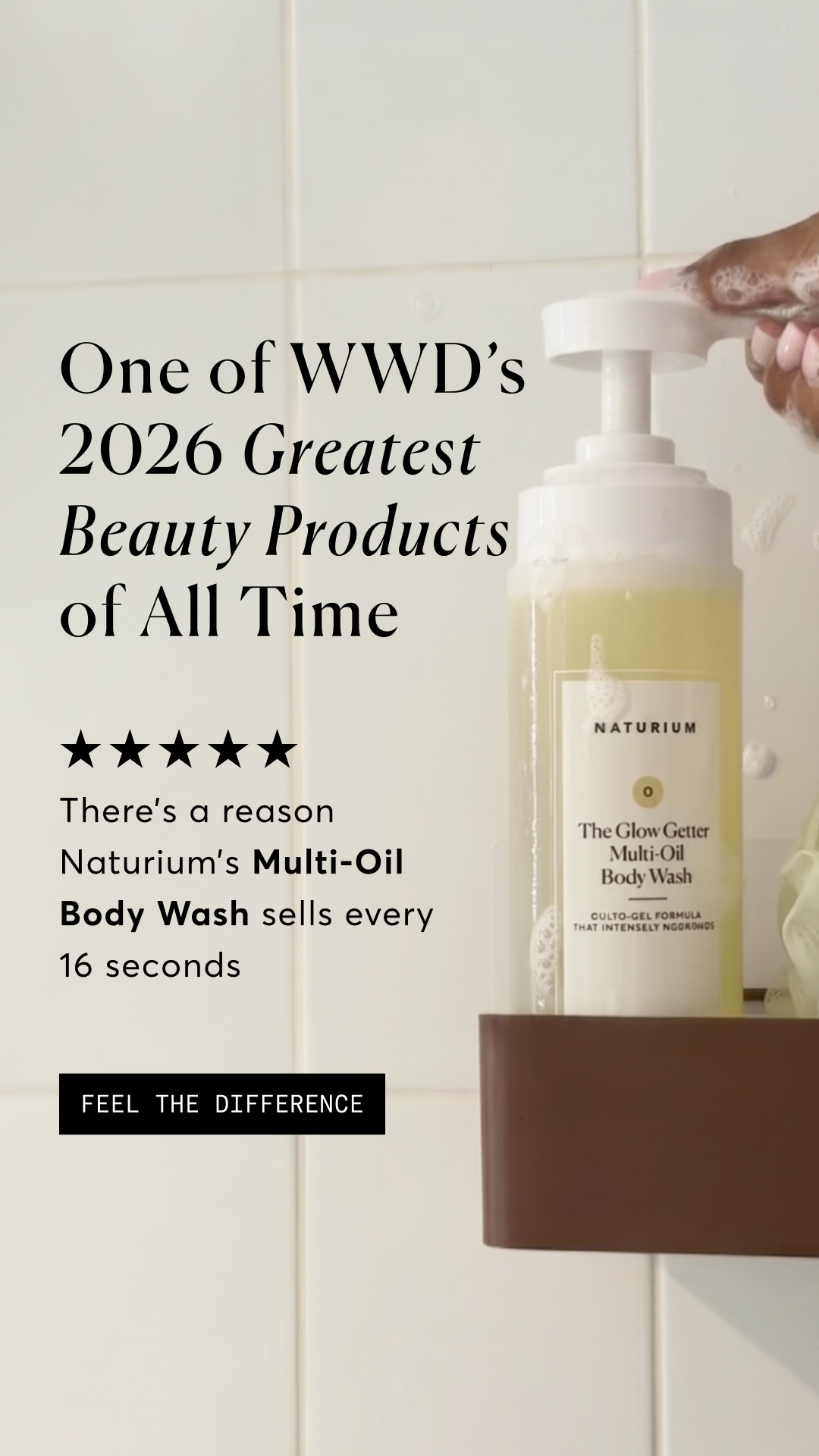
Proof:Press Media
Ad example for social_proof
Proof:Expert
Hook variety is in Acceptable range at 74.3, with benefit openers leading at 31% (18 ads) and statistic openers close behind at 22% (13 ads). Bold claims account for 14% (8 ads) and questions for 12% (7 ads). That's a reasonable spread across the top four hook types. The gaps are at the edges. Problem openers and POV openers each appear just once. Curiosity-gap hooks appear twice. Five ads have no clear hook at all. Those last five are worth flagging—an ad without a hook is an ad that relies entirely on the visual or the product to stop the scroll, which is a low-probability bet in a crowded feed. Hook is one of the dimensions where small additions have outsized impact. Adding two or three problem-opener or curiosity-gap hooks—especially in TOF creative—would meaningfully shift the distribution without requiring a large production investment.
?
Hook type usage
Benefit Opener18
Statistic Opener13
Bold Claim8
Question7
No Clear Hook5
Social Proof Opener3
Curiosity Gap2
Problem Opener1
Pov Opener1
How To
Command
Transformation Opener
Example ads from this portfolio
Ad example for hook
Hook:Benefit Opener
Ad example for hook
Hook:Question
Ad example for hook
Hook:Statistic Opener
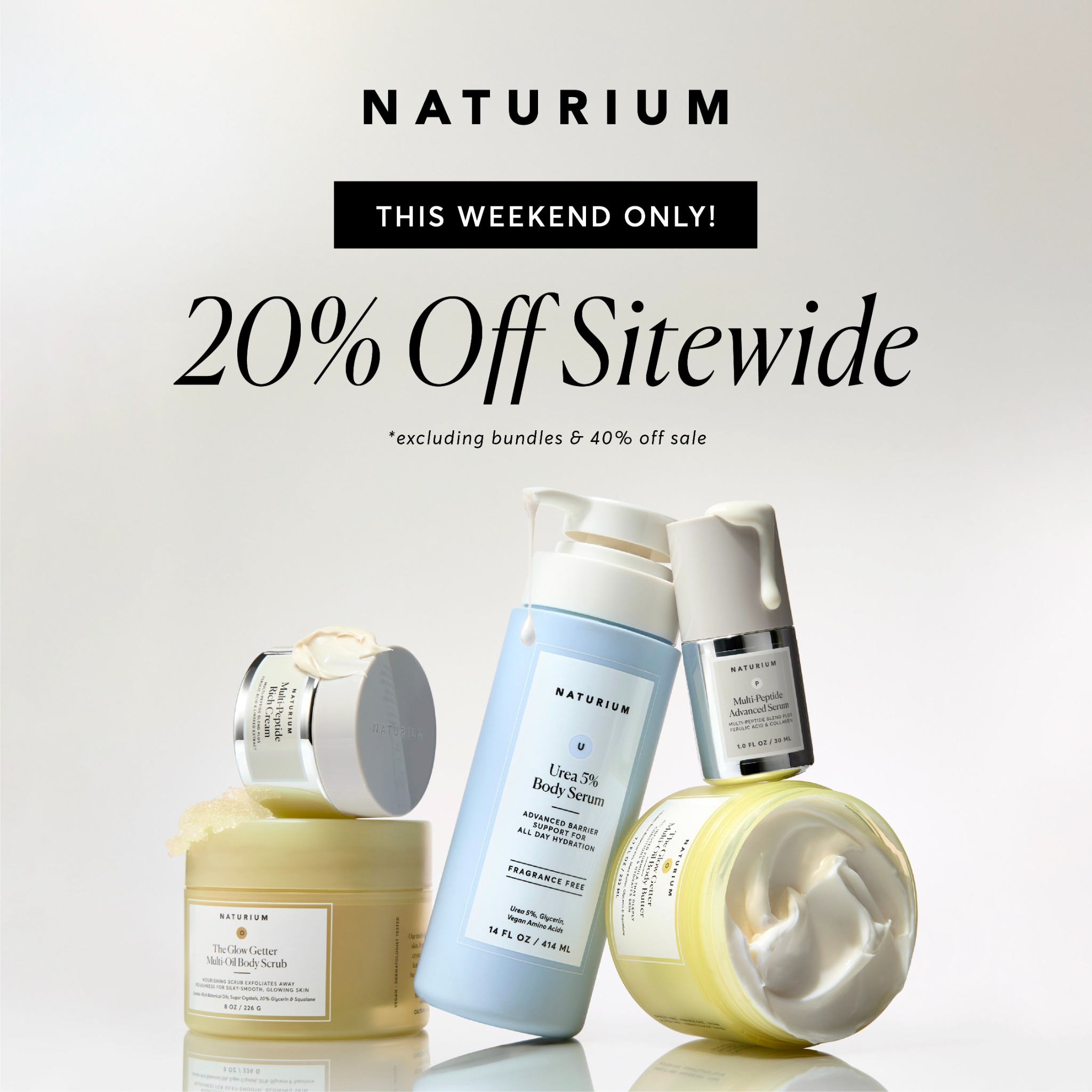
CTA construct is Underdiversified at 41.1. Action CTAs—'Shop now,' 'Buy now,' 'Get yours'—account for 74% of the portfolio (43 of 58 ads). Value CTAs make up 17% (10 ads) and curiosity CTAs 9% (5 ads). The action-CTA dominance is a direct symptom of the funnel architecture problem. Action CTAs are appropriate for bottom-of-funnel creative, and 91% of the portfolio is bottom-of-funnel—so the CTA distribution is internally consistent. But it means that when Naturium does build TOF or mid-funnel creative, it needs to also rethink the CTA. A curiosity or value CTA on an awareness ad performs differently than 'Shop now' on the same ad. This dimension is lower priority than funnel stage and persona signal, but it's worth addressing in parallel. As the funnel mix shifts, the CTA mix should shift with it.
?
CTA distribution
Action (74%)
Value (17%)
Curiosity (9%)
Example ads from this portfolio
Ad example for cta_construct
CTA:Action
Ad example for cta_construct
CTA:Value
Ad example for cta_construct
CTA:Curiosity
Visual aesthetic is Critical at 39.5. High-production creative accounts for 74% of the portfolio (43 of 58 ads). UGC and lo-fi content makes up 24% (14 ads). Creator-native content—the aesthetic that looks like it was made by a creator for their own feed—appears just once across all 58 ads. High-production creative has a specific visual register: polished, branded, clearly an ad. It performs well with audiences who are already familiar with the brand and are in a buying mindset. It performs poorly with cold audiences who are in a passive scroll state, because it reads as an interruption rather than content. That's a direct conflict with the need to build TOF creative. The near-absence of creator-native content is the sharpest gap here. Creator-native aesthetic is the format that performs best in cold-audience prospecting on Meta and TikTok because it doesn't trigger the 'this is an ad' skip reflex. With one creator-native ad in the entire portfolio, Naturium has almost no creative that's optimized for the awareness layer it urgently needs to build.
?
1 square = 1 ad
High Production (43)
UGC / Lo-fi (14)
Creator Native (1)
Example ads from this portfolio
Ad example for visual_aesthetic
Direction:High Production
Ad example for visual_aesthetic
Direction:High Production
Ad example for visual_aesthetic
Direction:High Production

Bottlenecks

Patterns worth naming
Critical0

No critical flags

Watch3

Introduce 30-40% TOF content. Awareness creative that generates new audiences.

Brief at least three new concept angles.

Increase TOF creative to at least 15-20% of portfolio.

Roadmap

Macro moves, in priority order

These are macro-level recommendations—not full creative briefs. Each names a structural gap and the type of creative that would close it.

1
Add three ads that introduce a different funnel stage. Add two ads that introduce a different concept angle. Introduce 30-40% TOF content. Awareness creative that generates new audiences. Brief at least three new concept angles.
With 91% of ads bottom-of-funnel and one TOF ad in the entire portfolio, Naturium has no mechanism to find new audiences through paid media. This is the single highest-leverage change available—without it, every other improvement is optimizing a closed loop.
funnel stageconcept angle
2
Add three ads that introduce a different persona signal and visual aesthetic
60% of ads show no person, lifestyle or identity signal. The algorithm can't use anonymous product creative to prospect for new segments. Introducing persona-specific creative—tied to real skin types, lifestyles or identities—gives paid media a new audience surface to work against.
persona signalvisual aesthetic
3
Add two ads that introduce a different format
High-production creative dominates at 74%, and creator-native content appears once. Awareness creative needs a different aesthetic to work—one that doesn't signal 'ad' before the message lands. This isn't a production budget question; it's a brief and casting question.
format
4
Add two ads that introduce a different cta construct
74% of CTAs are action-oriented, which is appropriate for bottom-of-funnel but counterproductive on awareness creative. As TOF content is built, the CTA strategy needs to follow—curiosity and value CTAs outperform 'Shop now' at the top of the funnel.
cta construct

Want to see what your creative diversity is costing you?

This audit is built on public data. Your actual data tells us what it’s worth: which patterns are burning budget, where performance is tanking and what fixing it would unlock—so we can build a roadmap from there.

Creative Diversity AuditCreative Diversity AuditCreative Diversity AuditCreative Diversity AuditCreative Diversity AuditCreative Diversity AuditCreative Diversity AuditCreative Diversity AuditCreative Diversity AuditCreative Diversity AuditCreative Diversity AuditCreative Diversity AuditCreative Diversity AuditCreative Diversity AuditCreative Diversity AuditCreative Diversity AuditCreative Diversity AuditCreative Diversity AuditCreative Diversity AuditCreative Diversity Audit